
Afternoon Routine: How to Transition from Busy Day to Calm Evening

Inside: Routines can make everything feel less chaotic. Here’s how to build an afternoon routine that helps kids, teens, and adults transition from a busy day to a calm evening without adding more to everyone’s plate.
The hours between school ending and bedtime are some of the hardest of the day.
Everyone walks in the door carrying something. Stress, exhaustion, hunger, overstimulation, the emotional weight of eight hours of navigating school or work. And then life asks everyone to immediately shift into homework mode, dinner mode, errand mode, or some combination of all three.
It doesn’t always go smoothly. And that’s not anyone’s fault.
Related: Afternoon Routine Favorites
Afternoon Routine: How to Transition from Busy Day to Calm Evening
The afternoon transition is genuinely hard. But a few intentional systems make it so much easier — not by adding more to everyone’s plate, but by creating a bridge between the busy part of the day and the restful part.
Here’s how to build one that actually works.
Why the Transition Matters
Most families don’t think of the after-school or after-work hours as a transition. They think of them as the next thing on the list.
Kids come home and get asked about homework. Parents wrap up a work call and immediately start dinner.
Everyone moves from one set of demands to another without any kind of reset in between.
And then everyone wonders why the evening feels so hard.
The stress of the day doesn’t evaporate the moment someone walks through the door. It follows them in.
Without an intentional transition, that stress bleeds directly into the evening — which is supposed to be the restorative part of the day.
A good afternoon reset doesn’t have to be elaborate. It doesn’t require a family meeting or a color-coded schedule. It just has to be intentional enough to create a real shift between the day and the evening.
That shift changes everything.
The 10-Minute Home Arrival Reset
The first ten minutes after walking in the door set the tone for the entire evening.
Most families spend those ten minutes in low-grade chaos. Backpacks dropped in the middle of the floor. Shoes in the doorway. Someone immediately asking what’s for dinner while someone else is still on a work call. A question about homework that gets a one-word answer and a slammed door.
Sound familiar?
Here’s what works better:

Backpacks and shoes in their spot. This sounds small but it matters. When there’s a designated landing zone for the stuff that comes in the door every day, the physical environment immediately feels less chaotic. A hook per person, a bin for shoes, a spot for bags. As an Amazon affiliate, I earn from qualifying purchases. The routine of putting things away on arrival becomes automatic faster than you’d expect.

A snack before anything else. Blood sugar drops after school and after a long work day are real, and they make everyone more irritable, more reactive, and less capable of handling anything calmly. A simple snack station that kids can access themselves takes the edge off before any conversations happen.
A few minutes of decompression before anything is asked of anyone. This is the step most families skip, and it’s the most important one. Ten minutes of nobody asking anything of anybody. Kids decompress however they need to. Adults take a breath. The day gets a chance to settle before the evening begins.
When There’s No Afternoon: The Sports Family Situation
For a lot of families, there is no afternoon.
School ends, practice starts, and by the time everyone gets home it’s 7pm and everyone is starving, exhausted, and nobody has done homework yet.
The afternoon reset looks different for these families — because the transition has to happen in a car, not a living room.

Dinner has to be handled in advance. There’s no getting around this. Walking in at 7pm and starting to think about dinner is a recipe for cereal or fast food every night. A slow cooker meal started in the morning, a sheet pan dinner prepped the night before, or even an assembly-style meal where everything just needs to be put together — these are what keep sports families eating real food on weeknights.
I like to order Beehive slow cooker meals to have on hand for busy nights. They’re so much better than the crockpot meals I put together myself! Use my affiliate link and the code ORGMOMS to get $10 your first order.
The car ride home is your transition window. This is actually one of the best conversation opportunities with kids — they’re a captive audience, you’re not making eye contact which makes talking easier, and the day is fresh enough to talk about. A simple “what was one good thing today” or “what was hard today” on the drive home covers the connection piece without requiring a sit-down family debrief that nobody has energy for.
Be realistic about what the evening can hold. When you walk in at 7pm, the evening is short. Dinner, a little downtime, homework for the most urgent things, basic hygiene, bed. That’s it. Protecting that slim margin means not scheduling anything else on practice nights and letting go of the expectation that everything will get done.
Supporting Teens Without Nagging
Teens come home from school depleted in ways that are easy to underestimate.
Eight hours of navigating social dynamics, sitting still, performing academically, managing emotions, and being evaluated constantly — it’s genuinely exhausting. And for teens in sports, add two or three hours of physical exertion on top of that.
The instinct is to remind them about homework the moment they walk in. It almost never works. What it does do is immediately put everyone on the defensive.
Here’s what works better.
Give them decompression time first. Twenty to thirty minutes of nobody asking anything of them. This isn’t rewarding laziness — it’s neurologically necessary. An overstimulated, depleted brain cannot shift into homework mode without a buffer. The decompression time actually makes the homework time more productive.
And yes, that probably means devices. Here’s the honest truth: for most teens, the decompression instinct goes straight to a phone or a game. This is a hard one, because devices don’t actually decompress an overstimulated brain — they add more stimulation. But fighting it head-on usually creates more conflict than it solves.
A middle ground that works for a lot of families: devices are fine for the decompression window, but they go away when the homework window starts. The key is that the homework window has a clear, consistent start time — not “after you’ve rested enough,” which is vague and negotiable, but “homework starts at 4:30” or “homework starts after dinner.”
A visible, self-directed system works better than verbal reminders. The more a teen can manage their own routine without being told, the less friction there is for everyone. Here are some concrete examples of what that looks like:

A magnetic task board on their bedroom door or in a common area with their daily non-negotiables: homework done, planner checked, backpack packed for tomorrow, sports gear ready.

A weekly planner they fill out themselves at the start of each week — test dates, assignment due dates, practice schedule, anything coming up. Teaching a teen to maintain their own planner is one of the highest-return habits you can help them build. It externalizes the mental load so they’re not relying on memory — and they’re not relying on you to remember for them. This is my favorite student planner.
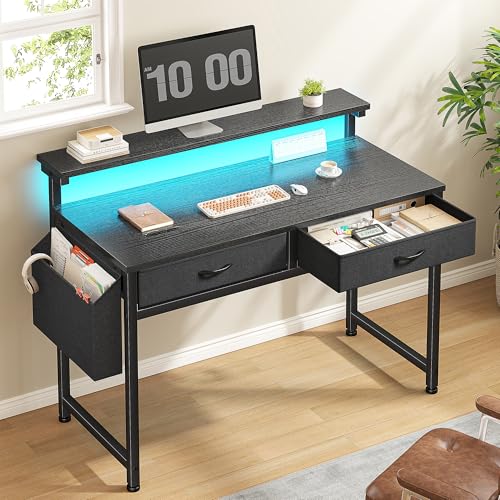
A simple desk setup that’s ready to go when the homework window starts. Supplies in place, phone in another room or face down, a notepad for capturing the tasks they need to get through. The environment does a lot of the motivating when the desk is set up and waiting.
For teens in sports, the homework situation is even more compressed. A realistic approach: identify the one or two most urgent things each night and do those. Not everything. The most important things. Teach them to use a planner to look ahead so nothing sneaks up on them, and to communicate with teachers when the schedule gets genuinely unmanageable. That’s a life skill worth more than getting every worksheet done on time.
The Adult Transition: Shutting Off Work Mode
Adults need a transition just as much as kids do. Maybe more.
The shift from work mode to home mode doesn’t happen automatically — especially for anyone working from home, where the physical environment doesn’t change when the workday ends. The desk is still right there. The emails are still coming in. The boundary between work and not-work is entirely self-imposed, which makes it incredibly easy to blur.
Even for people who leave an office, the mental shift doesn’t happen just because you got in the car. The commute home used to serve this function naturally — a buffer between work and home. Without a commute, or when the commute is short, that buffer disappears.
A shutdown ritual fills that gap.
It doesn’t have to be elaborate. It just has to be consistent enough that the brain learns to recognize it as the signal that work is over. A few things that actually help:
A physical change. Changing out of work clothes is one of the most effective transition signals there is. It’s physical, it’s deliberate, and it immediately changes how the body feels. Even changing into the same comfortable clothes every day creates a consistent “home mode” signal.
A closing routine at the desk. Before stepping away from work, spend five minutes wrapping up: write down where you left off and what needs to happen first tomorrow, close all the tabs, shut the laptop. This completes the mental loop so work isn’t still running in the background all evening.
A transition activity. Something brief and physical that bridges the two modes. A short walk, a cup of tea made slowly and deliberately, five minutes outside. The key word is physical — scrolling your phone doesn’t count as decompression. It’s more stimulation in a different format.
The goal is a real shift — not just a change in location, but a genuine change in mental state. Home is where you’re supposed to be present. The shutdown ritual is what makes that possible.
Setting Up the Evening Without Losing the Rest of It
Once the transition has happened, the evening needs enough structure to hold without being so rigid it creates its own stress.
A loose rhythm works better than a schedule. Something like:
- Arrival and decompression — everyone lands, snack happens, nobody asks anything of anybody for a few minutes
- Dinner — the anchor point of the evening, even if it’s simple
- Homework and tasks — a consistent window, same time every night
- Wind-down — the evening slows down, screens dim, the next day gets prepared
Before bed, a simple family checklist keeps the morning from being chaos:
- ✅ Homework done and in the backpack
- ✅ Backpack by the door
- ✅ Tomorrow’s clothes out
- ✅ Lunches made or planned
- ✅ Anything that needs to leave the house tomorrow is ready
A whiteboard or magnetic checklist in a common area makes this visible to everyone without requiring a family meeting every night. When it’s on the wall, it’s the system doing the reminding instead of you.
Related: Back to Routines in September: A Parent’s Reset Guide
An Afternoon Routine That Works for Your Family
The afternoon reset isn’t about adding more to an already full day.
It’s about building a bridge between the demanding part of the day and the restorative part — so the evening actually feels like one.
Decompression first, then tasks. A snack before a conversation. A shutdown ritual before dinner. A consistent homework window with a visible system teens can actually own. A loose evening rhythm that gets everyone to bed without a last-minute scramble.
Small, intentional shifts. A genuinely different kind of evening.
Your family is worth the ten minutes it takes to set this up.
You may also like…How to Create a Morning Routine that Supports You Instead of Stressing You Out

New to this community? Start here, friend!