Decluttering When You Have No Time: A Real-Life Plan
Inside: Struggle with decluttering when you have no time? A simple 10-minute decluttering habit that works even when you’re busy. Learn how small sessions, smart tools, and easy strategies can transform your home.
Decluttering means getting rid of things you don’t need so your home works better for the people who live in it.
Every so often, the clutter just gets to be too much.
You know the feeling.
A counter you can’t see.
A closet you’re afraid to open.
A playroom that looks like a toy store exploded.
And the idea of dealing with all of it feels exhausting before you even start.
The good news is you don’t have to deal with all of it. Not today, anyway.
Decluttering doesn’t have to mean overhauling your entire house over a single weekend. It just means making a little more room — consistently, in small doses — until the space starts to feel like yours again.
And the right tools make it a whole lot easier to actually follow through.
Related: See our favorite Decluttering Tools
Decluttering When You Have No Time
There’s a decluttering approach that requires no motivation, no free weekend, and no overhauling a single room.
No big systems to set up, no research on donation centers, and no convincing yourself that you’re finally ready to deal with the garage.
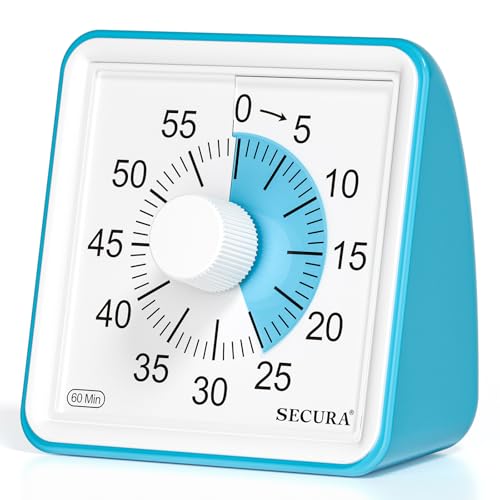
Just a timer, a bag, and a plan for the next 10 minutes.
Here’s the real-life decluttering plan that actually works when life is full and “margin” is nonexistent.
The 10-Minute Habit That Adds Up Fast
✅ Set a timer for 10 minutes.
✅ Grab a bag.
✅ Fill it with anything to toss or donate.
✅ Stop when the timer goes off.
That’s the whole system.
It sounds almost insultingly simple, but here’s why it works: the goal isn’t to declutter the house.
The goal is to build a habit — and habits don’t scale until they’re automatic.
Ten minutes three times a week is 30 minutes of decluttering without a single marathon session, without rearranging a weekend, and without burning out by Tuesday.
The math compounds faster than expected. After one month of three sessions a week, that’s over two hours of decluttering in chunks so small they barely registered.
After three months, nearly seven hours. The home starts to shift before it even feels like something major happened.
The only rules: use an actual timer, use an actual bag, and stop when it goes off. I’m linking to some of my favorite decluttering aids. As an Amazon Associate, I earn from qualifying purchases.
Stopping on time is what makes starting again tomorrow feel doable.
Where to Start When the Whole House Feels Overwhelming
When every room feels like too much, and there’s no obvious place to begin, there’s one starting point that works every single time:
Remove the trash first.
One bag, one lap through the house, picking up nothing but actual garbage.
Wrappers, junk mail, empty boxes, dead pens, that mystery lid with no matching container. No organizing. No donating. No decisions at all. Just trash.
It sounds almost too simple — but garbage is the loudest visual noise in any space.
Remove it and the room feels noticeably better before any real sorting has even started.
The brain registers “clean” primarily through the absence of obvious clutter, and garbage is the first thing it picks up on.
Take it away first and the next steps become so much easier to take.
Trash sweep first. Every time.
It’s the fastest reset there is.
Related: De-Trashing: An Easy Way to Start Decluttering
How to Declutter Kids’ Stuff Without a Meltdown
If you’ve ever quietly removed a toy that hadn’t been touched in months — only to have it discovered in the donation bag and suddenly become the most beloved item in the house — this section is for you.
The fix is simpler than it sounds: offer a choice, not a removal.
Instead of asking “do you want to keep this?” (the answer is always yes), try: “You can keep five stuffed animals — which five do you want?”
Now the child is the decision-maker. They feel in control. They feel heard.
And they’ll almost always let go of the rest without a fight — because they got to choose what stayed.
Kids respond to limits, not lectures. “We only have room for five” is a rule they can work with. “We have too many stuffed animals and we need to declutter” is an abstract concept that lands like a threat.
A few other things that help: let them physically place items in the donation box themselves, and talk about the kid who gets to love that toy next.
Small reframes make a real difference.
The Tools That Make Decluttering Actually Stick
The right setup makes the difference between a productive 10-minute session and five minutes of hunting for supplies and giving up. None of these are complicated, but having them ready in advance is what lets the habit actually run.
A visible timer — I used to use my phone, but that led to distraction. Invest in a visible timer you can bring from room to room. Once you get this, you’ll find lots of different uses for it. I use it for timing chores, my work, doing physical therapy, etc. It’s helped make me more conscious of time, and more productive.
Sorting bins — three is the magic number. Keep, donate, trash. The physical act of sorting into bins is faster than making a pile and deciding later. (Later never comes.) Label them or just know which is which, but have all three ready before starting. You can use boxes, laundry baskets – whatever you have on hand. Use a garbage bag for the trash, obviously.
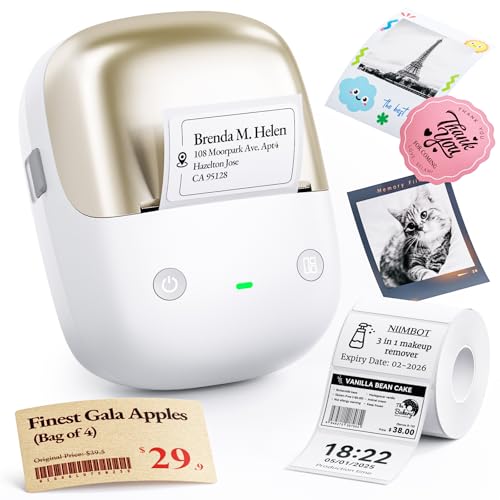
A label maker — not for the bins themselves, but for after. Once things have a home, labels are what get everyone else in the house to put things back in the right place. A label maker is really a family communication tool in disguise.

A rolling utility cart — the most underrated decluttering tool there is. Use it as a mobile sorting station, wheel it from room to room, and keep donation items corralled until the bin is full. It doubles as everyday storage once the session is done.
An open-top donation bin by the door — permanent, always visible, always open. I use an old box for this – just use what you already have! The moment something is decided as a donate, it goes in the bin. When the bin is full, it goes in the car. When it’s in the car, it gets dropped off. No holding zones, no “I’ll deal with that pile later,” no second-guessing.
Set these up once and the habit runs itself.
Your Decluttering Habit
No free weekend needed. No perfect conditions. No fresh start waiting on the calendar.
Just a timer, a trash sweep, a choice instead of a confrontation, and tools that remove the friction from the whole process.
Done consistently, 10 minutes at a time, this is what actually moves the needle — not the marathon sessions that never happen, but the small habit that quietly compounds week after week.
Start with one bag today. See what 10 minutes does.
New to this community? Start here, friend!